
La Chartreuse de la Verne, Collobrieres
Located in Collobireres, the old Carthusian monastery of Our Lady of La Verne is close in distance from the major tourist towns.
Discover and book the top Grimaud sights
Located in Collobireres, the old Carthusian monastery of Our Lady of La Verne is close in distance from the major tourist towns.

The Annonciade museum was created in 1922 and holds impressive art work dating from 1890 to 1950, including some of the greatest French masterminds such as Matisse, Derain and Marquet.

As you climb uphill past all the restaurant lined streets, you get to the impressive 17th century Citadel overlooking the village of Saint-Tropez.

Established in 1971, the Zoological Park Frejus is located in a typical Mediterranean natural landscape and enjoys the mild climate of the Riviera.
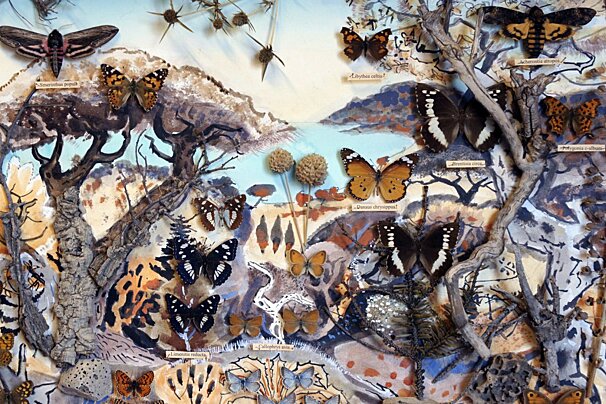
The Butterfly Museum is located in the old town, spread across two floors, the collection houses an enormous quantity of different species. There are over 35,000 specimens, including rare types from Africa and South America.

This wonderful botanical gardens, dating from the early 20th century, are located in Rayol-Canadel-sur-Mer. They are a great place to spend a day outdoors, with a cafe, a bookshop and lots of exhibitions and guided tours to discover the secrets of Mediterranean floral species.

Huddled up against the green hills of the village of Gassin, the beautiful private garden of Marie-Thérèse L’Hardy, a botanical fanatic, is quite surprising. Hidden from the heat, this garden is a paradise to wander around.

Situated right next to the cloisters of the Cathedral in Fréjus, the museum houses some great examples of Roman artefacts from the ongoing excavations in the city.
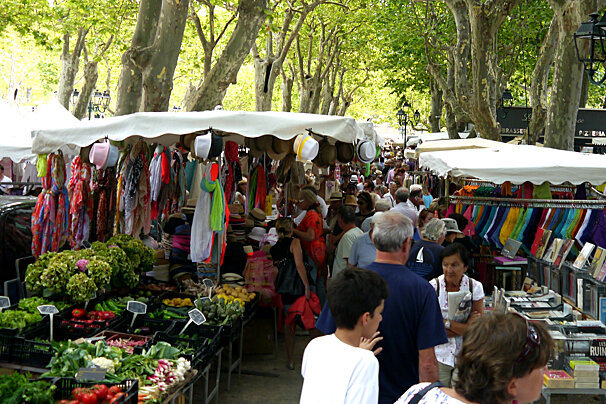
A great place to go for a walk under the shadows of the 100-year old plane trees, it seems like time has stopped at the Place des Lices. Here you can still watch the locals play a game of boules every morning, before going for a Pastis at the time of apéritif.

Recently renovated, this modern museum is located in the dungeon of the village's Citadel, allowing visitors to discover the true identity of Saint-Tropez as a maritime city through its last 500 years of history.

This beautiful church was built as part of the plans by Mayor Felix Martin to "transform" St Raphael into a more attractive town for people to live in and tourist resort. Abbot Bernard commissioned the project to architect Pierre Aublé.

La Plaine des Maures is the first natural park in the Var department, to the north west of Saint Tropez. It is renowned for it's umbrella pines and cork oak trees, and is rich in fauna and flora.

A volcanic range of mountains covering around 32,000 hectares and stretching between Saint-Raphael and Theoule-sur-Mer.

Les Calanques de l'Esterel are rocky inlets and coves that expand from Saint-Raphael to Mandelieu-la-Napoule and drop steeply into the limpid waters of the Mediterranean.

La Chapelle de la Miséricorde, referred as the Black Penitent Brotherhood Chapel was built in the 17th century and is located Rue Gambetta, in the former quarter of the seamen's families.

Le Chateau de la Moutte is a 19th century manor house nestled in a palm tree park with woods and vines, which represents an incredible element of Saint Tropez’s natural heritage.

Situated on a hilltop dominating the town, this medieval castle boasts absolutely breathtaking panoramic views over the Maures massif and the Saint-Tropez gulf.

Cogolin's 14th century hilltop clock tower is all of what is left of its original castle, which was destroyed in 1579 during the Religious Wars. It now dominates the town creating an imposing view.